AHD security cameras (Analog HD) deliver high‑definition images over traditional analog cabling, so you can enjoy HD quality live video without rebuilding your entire system. Thanks to modern imaging technology and resolutions such as 2MP, 5MP and 8MP, these cameras capture detailed footage that makes it easier to recognise key details like licence plates or faces at typical monitoring distances.
AHD cameras require a compatible DVR that supports HD analog formats. Older recorders may not be able to handle the higher resolution range, so always check device compatibility before upgrading your system.
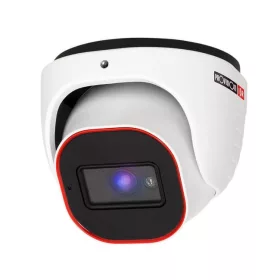
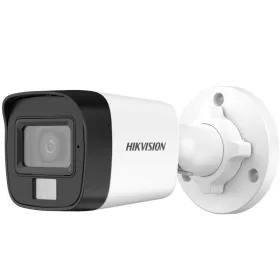
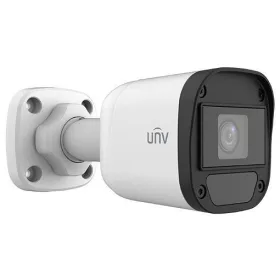
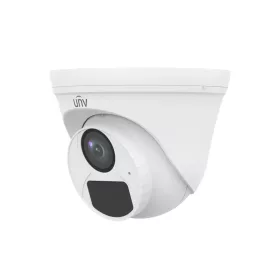
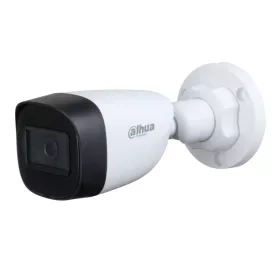
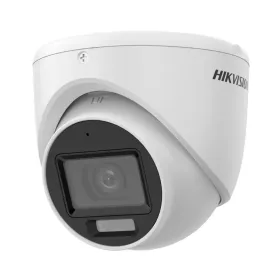
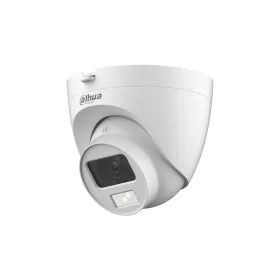
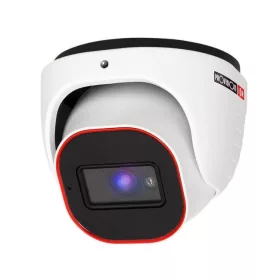
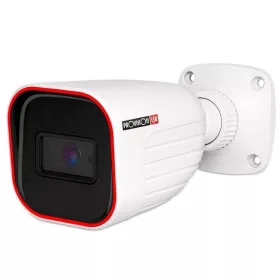
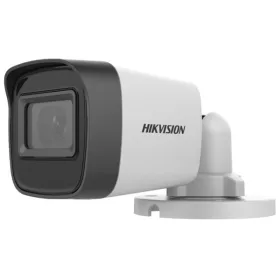
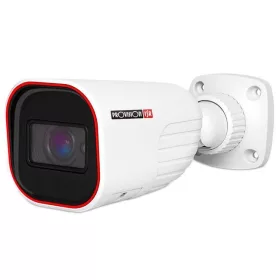
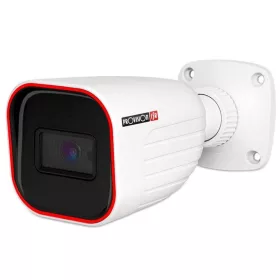
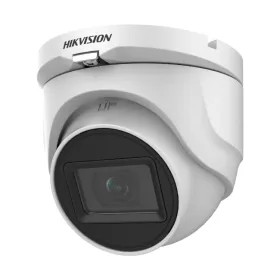
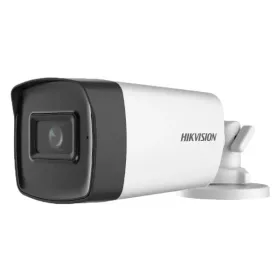
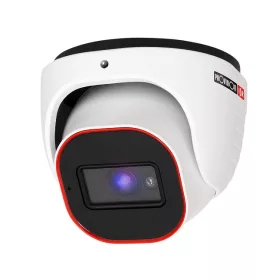
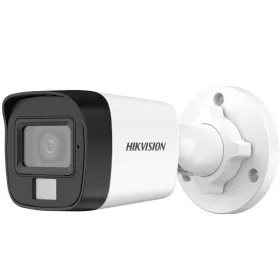
Replacing outdated analog cameras with AHD security cameras is a practical way to upgrade image quality while keeping much of your existing infrastructure. If your site is already wired with coaxial cable and BNC connectors, you can often reuse those runs and simply swap the cameras and, if needed, the DVR.
AHD cameras are a strong choice for buyers who want a good balance between price and performance. They offer noticeably sharper images than traditional analog systems, which helps when reviewing events, identifying people, or reading information in the scene. Many models are available for indoor and outdoor use, so they can be used around homes, offices, shops, warehouses or parking areas.
Installation is typically straightforward. Cameras connect via standard BNC video connectors and a separate power connector, so existing analog cameras can usually be replaced one‑by‑one. In many cases it is enough to remove the old unit, mount the new AHD camera in the same position, reconnect power and video, and then configure the channels on the recorder.
When planning an upgrade, the compatibility of your digital video recorder (DVR) is important. Older DVRs that were designed only for formats such as D1 or CVBS may not support the higher resolutions provided by AHD cameras. In that case, you can either replace the DVR with a modern hybrid or AHD‑capable model, or adjust the camera output format if the device offers that option. Always review the specifications of both camera and recorder to ensure they match.
Many AHD cameras support useful features for everyday monitoring. Depending on the model, you may find options such as infrared night vision for low‑light environments, adjustable lenses for different viewing angles, or weather‑resistant housings for outdoor mounting. These functions help maintain usable footage across changing light and weather conditions.
AHD technology is often used in systems where remote viewing is required. While the camera itself sends an analog HD signal to the DVR, the recorder can usually be connected to a network. With the appropriate configuration and software, users can review live images or recorded footage via a computer or mobile device. This makes it easier to check on a property while away, within the limits of the chosen recorder and network setup.
Because AHD uses familiar cabling and connectors, it can be integrated into many existing security installations. This makes it attractive for both small and larger projects, from single‑camera home entrances to multi‑camera business premises. Buyers can choose from various housing styles, including dome and bullet cameras, to suit different mounting locations and visibility preferences.
For customers who prefer guidance during selection or setup, specialised retailers can provide technical and practical support. They may advise on matching cameras to recorders, choosing suitable resolutions for each area, and positioning devices for optimal coverage. Where contact details are provided on the store’s site, customers can use those channels to request assistance with configuration or installation questions.
By choosing AHD security cameras, users can modernise older CCTV systems and gain clearer, more detailed images while still relying on proven analog wiring. This category includes a wide range of models so you can select the combination of resolution, housing type and features that best fits your property and monitoring needs.